
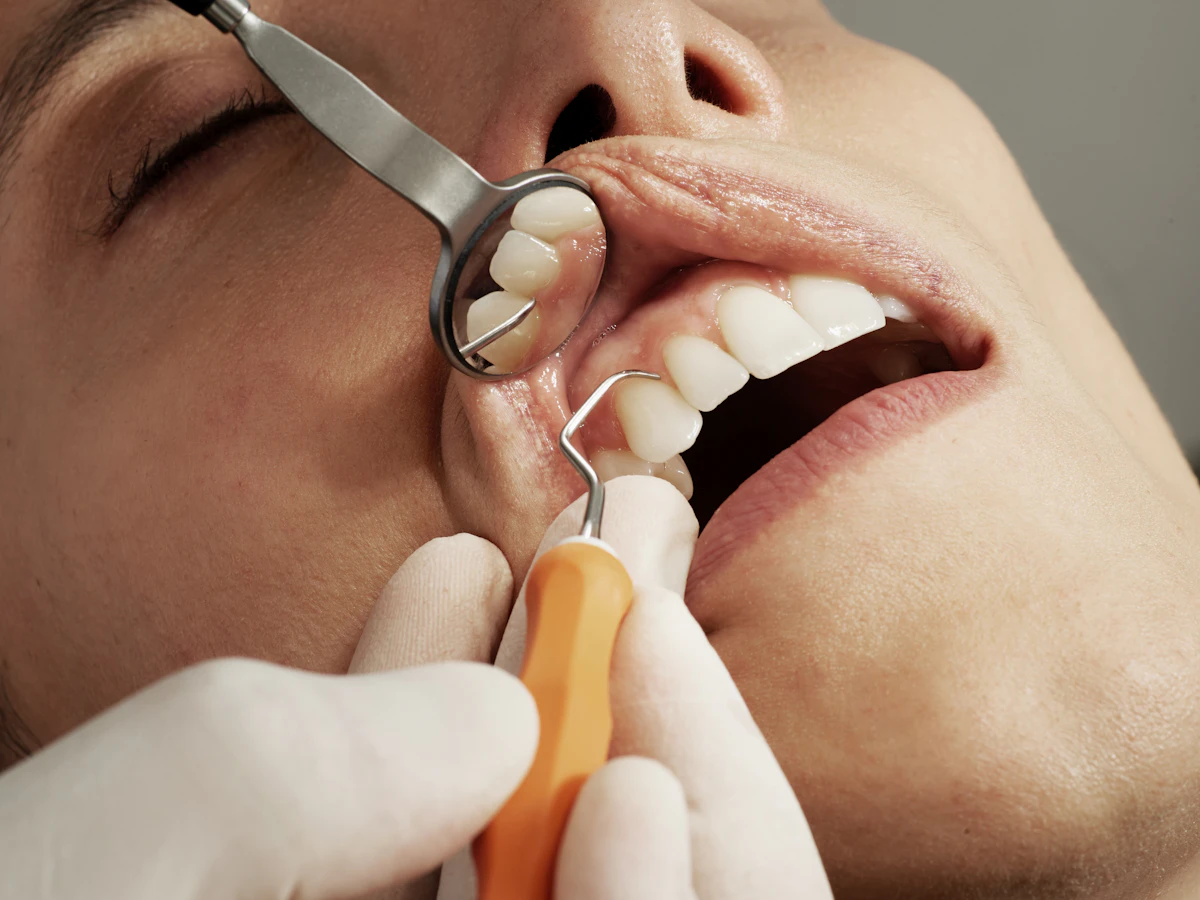
Pregnancy and dental care: what you should know
Routine dental care remains safe — and important — during pregnancy, despite a widespread belief to the contrary.
Contrary to a common belief, routine dental care — cleanings, exams, x-rays with lead shielding, cavity treatments — is considered safe at any point during pregnancy. Postponing necessary care out of excessive caution can actually let a dental infection worsen.
Hormonal changes actually increase the risk of gum problems during pregnancy: 'pregnancy gingivitis,' marked by swollen gums that bleed more easily, affects up to 60 to 75% of pregnant women and results from a heightened inflammatory response to plaque bacteria.
Your week, baby's size, your symptoms, your appointments and adapted menus, all in one app.
Download the app for free✨ Free to download — on phone, tablet and computer.
Careful brushing twice a day, daily flossing, and a professional cleaning during pregnancy help limit these gum changes. Some studies also link untreated severe periodontal disease to an increased risk of preterm birth, though the causal link remains debated.
Local anesthetics used in dentistry are considered safe during pregnancy, and the second trimester is generally the most comfortable time for non-urgent care, since first-trimester nausea has passed and third-trimester discomfort hasn't set in yet. If in doubt about a specific treatment, your dentist can always consult with your prenatal healthcare provider.
Sources
Photo: Unsplash
This information is general and does not replace advice from your healthcare professional (doctor, midwife, nurse, pharmacist). Every situation is unique: always check with them before making a decision. In an emergency, call 911 or your local emergency services.


